
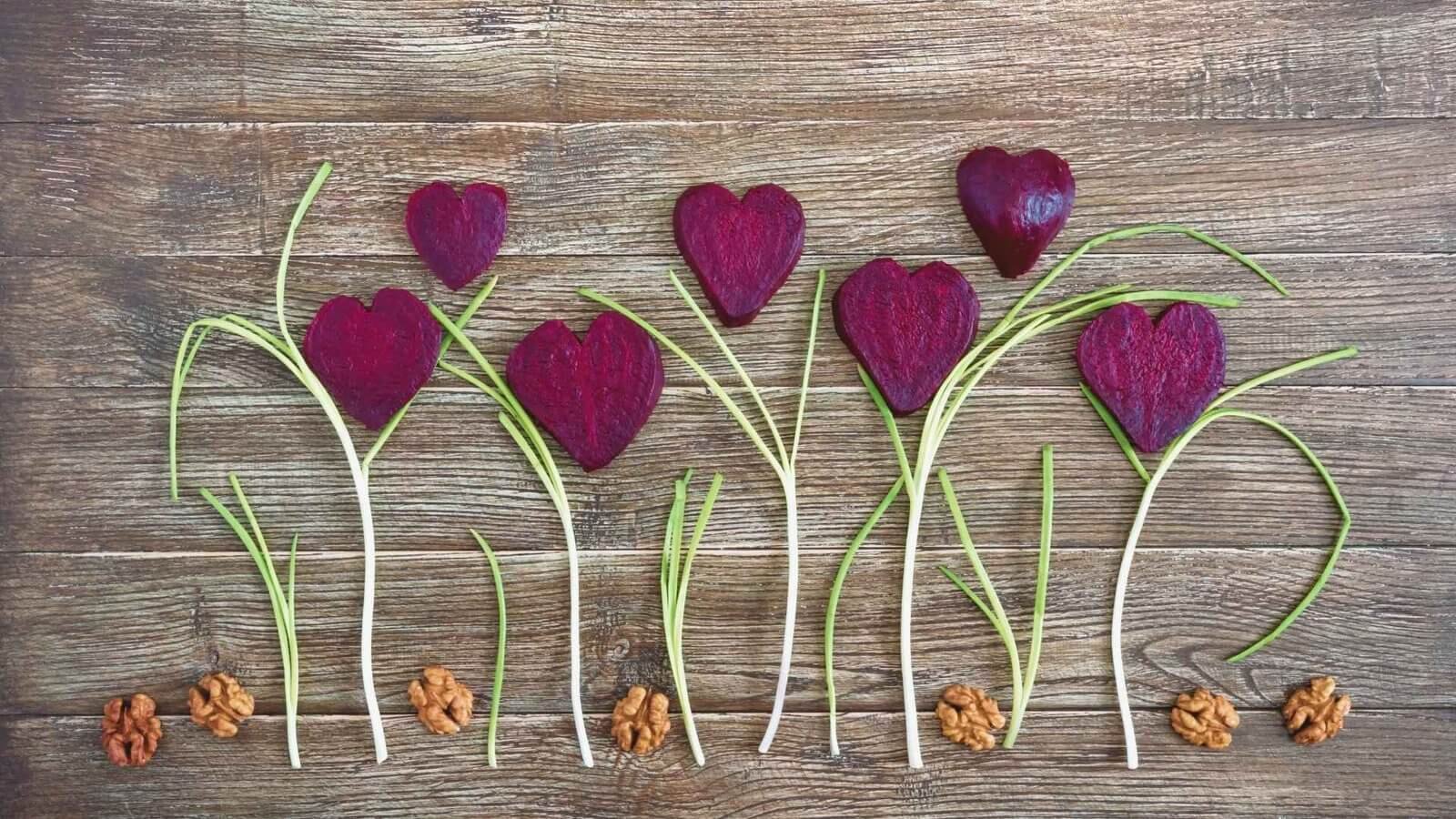
February is a Great Month to Love Your Heart
As we celebrate February, the month of love, there’s no better time to focus on the one thing that keeps us alive and thriving. Our hearts. It’s frustrating to me that heart disease remains the leading cause of death in women because I know we can change that through our diet, which has a powerful impact on heart health.
The right foods can reduce inflammation, improve circulation, lower cholesterol, and strengthen your heart. I’m going to share delicious, nutrient-packed options to keep your heart in great shape, with special attention to less obvious heart-healthy choices like beets, omega-3-rich foods, greens, and probiotics.
1. The Power of Beets
Beets are more than just a pretty color. They’re rich in naturally occurring nitrates, which your body converts into nitric oxide – a molecule that relaxes and widens blood vessels, improving oxygen and nutrient delivery throughout the body. This process, known as vasodilation, reduces blood pressure and enhances cardiovascular endurance. Additionally, beets are rich in betalains, powerful antioxidants with anti-inflammatory properties that can help protect blood vessels from oxidative damage. For those concerned about sugar, beets have a low glycemic index, meaning they won’t cause rapid blood sugar spikes when eaten in moderation.
Ways to Enjoy Beets:
- Pickled Beets: Add to sandwiches or salads for a tangy burst of flavor.
- Raw Beets: Grate them into a salad with carrots and arugula for a crunchy, sweet bite.
- Roasted Beets: Toss with olive oil, salt, and pepper, then roast until caramelized.
Pair beets with citrus or goat cheese to enhance their earthy flavor while adding a dose of vitamin C or calcium.
2. Omega-3s for a Happy Heart
Omega-3s fatty acides, particularly EPA (eicosapentaenoic acid) and DHA (docosahexaenoic acid), are well-studied for their ability to reduce triglyceride levels, prevent arrhythmias, and decrease inflammation linked to atherosclerosis. Plant-based sources like chia and flaxseeds provide ALA (alpha-linolenic acid), which your body can partially convert into EPA and DHA. Omega-3s also help maintain the integrity of cell membranes, ensuring healthy endothelial function (the inner lining of blood vessels). Regular consumption is associated with improved arterial elasticity and reduced risk of heart attack and stroke. Including these healthy fats in your diet ensures a balance of anti-inflammatory compounds crucial for cardiovascular health.
For plant-based options, try:
- Chia Seeds: Sprinkle on yogurt or blend into smoothies.
- Flaxseeds: Add to oatmeal or baked goods.
- Walnuts: Snack on a handful or toss into salads.
For seafood lovers, fatty fish like salmon, mackerel, and sardines are excellent sources of omega-3s.
3. Greens: A Fiber-Rich Heart Helper
Leafy greens are nutritional powerhouses, packed with vitamin K, a nutrient essential for proper blood clotting and maintaining arterial elasticity. The high fiber content in greens not only lowers LDL cholesterol but also binds bile acids in the digestive system, forcing your body to use cholesterol to replace them and leading to reduced overall cholesterol levels. Additionally, greens contain lutein, an antioxidant that protects against arterial plaque buildup and improves carotenoid levels in the bloodstream. The naturally occurring nitrates in greens, particularly arugula and spinach, also contribute to higher nitric oxide production, further enhancing circulation and reducing cardiovascular strain.
Quick Ideas to Eat More Greens:
- Salads with a Twist: Mix spinach, strawberries, and almonds for a heart-friendly combo.
- Add Greens to Smoothies: Blend kale or spinach with frozen bananas and almond milk.
- Sauté and Serve: Cook greens with garlic and olive oil for a simple, flavorful side.
4. The Gut-Heart Connection: Probiotics
A healthy gut benefits your heart in addition to all the other great things it does. The gut microbiome plays a role in reducing inflammation and regulating cholesterol levels. Probiotics, often referred to as “good bacteria,” contribute to heart health by reducing systemic inflammation and improving cholesterol metabolism. Certain strains, like Lactobacillus plantarum and Bifidobacterium lactis, are particularly effective at lowering LDL cholesterol by breaking down bile in the gut, preventing it from being reabsorbed. Probiotics also modulate the production of short-chain fatty acids (SCFAs), which help regulate blood sugar levels and maintain vascular health. A balanced gut microbiome has been shown to reduce markers of inflammation like C-reactive protein (CRP), a major risk factor for heart disease. By incorporating probiotics and prebiotic-rich foods into your diet, you can create a synergistic effect that supports both gut and cardiovascular health.
Probiotic-rich foods to include:
- Yogurt: Opt for unsweetened versions to avoid added sugars.
- Kimchi and Sauerkraut: Fermented veggies are tangy, flavorful, and gut-friendly.
- Kombucha: A fizzy, fermented tea packed with probiotics.
Pair these with prebiotic foods like garlic, onions, and bananas to support a balanced gut.
5. Embrace the Mediterranean Diet
Not only is a Mediterranean diet absolutely delicious (or is that just my opinion?!), it’s also great for heart health because it focuses on whole, nutrient-dense foods that help reduce inflammation, lower bad cholesterol (LDL), and support healthy blood pressure levels. The Mediterranean diet is based on the traditional eating patterns of people living in Greece and Southern Italy during the 1960s. In general, the diet emphasizes whole, minimally processed foods, including whole grains, nuts, seeds, fruits, vegetables, legumes, fish, and extra virgin olive oil. It also includes moderate amounts of poultry, eggs, low fat dairy, and red wine. Additionally, it limits or eliminates added sugars, refined carbs, highly processed snacks, and red and processed meats. The heart benefits of this diet are thought to be largely due to its emphasis on whole, minimally processed plant foods and healthy fats. For example, extra virgin olive oil is rich in monounsaturated fats and compounds with potent antioxidant and anti-inflammatory properties. Other factors like engaging in exercise and consuming fewer added sugars may also contribute to the diet’s beneficial effects.
Simple ideas to start small:
- Sardine Toast: Instead of typical avocado toast (which is still an awesome choice!), try smashed sardines on whole-grain bread with a squeeze of lemon and fresh herbs for a quick, omega-3-packed breakfast.
- DIY Olive Tapenade: Blend olives, capers, garlic, and olive oil to create a quick spread for sandwiches, crackers, or veggie dipping—loaded with heart-healthy monounsaturated fats.
- Spice Up Your Coffee: Add a pinch of cinnamon or cardamom to your morning coffee, inspired by Mediterranean flavors, to boost antioxidants and support heart health.
Weekly Meal Sample
Monday
- Breakfast: Greek yogurt with strawberries and chia seeds
- Lunch: a whole grain bread/wrap with hummus and vegetables
- Dinner: a tuna salad with greens and olive oil, as well as a fruit salad
Tuesday
- Breakfast: oatmeal with blueberries
- Lunch: caprese zucchini noodles with mozzarella, cherry tomatoes, olive oil, and balsamic vinegar
- Dinner: a salad with tomatoes, olives, cucumbers, farro, baked trout, and feta cheese
Wednesday
- Breakfast: an omelet with mushrooms, tomatoes, and onions
- Lunch: a whole grain bread/wrap with cheese and fresh vegetables
- Dinner: Mediterranean zucchini lasagna
Thursday
- Breakfast: yogurt with sliced fruit and nuts
- Lunch: a quinoa salad with chickpeas
- Dinner: broiled salmon with brown rice and vegetables
Friday
- Breakfast: eggs and sautéed vegetables with whole wheat toast
- Lunch: stuffed zucchini boats with pesto, turkey sausage, tomatoes, bell peppers, and cheese
- Dinner: grilled lamb with salad and baked potato
Saturday
- Breakfast: oatmeal with nuts and raisins or apple slices
- Lunch: lentil salad with feta, tomatoes, cucumbers, and olives
- Dinner: Mediterranean pizza made with whole wheat pita bread and topped with cheese, vegetables, and olives
Sunday
- Breakfast: an omelet with veggies and olives
- Lunch: falafel bowl with feta, onions, tomatoes, hummus, and rice
- Dinner: grilled chicken with vegetables, sweet potato fries, and fresh fruit
I hope this leaves you feeling empowered and hopeful that you have more control over your health than you believe! And together, I know we can knock down heart disease from its #1 spot.
In health,